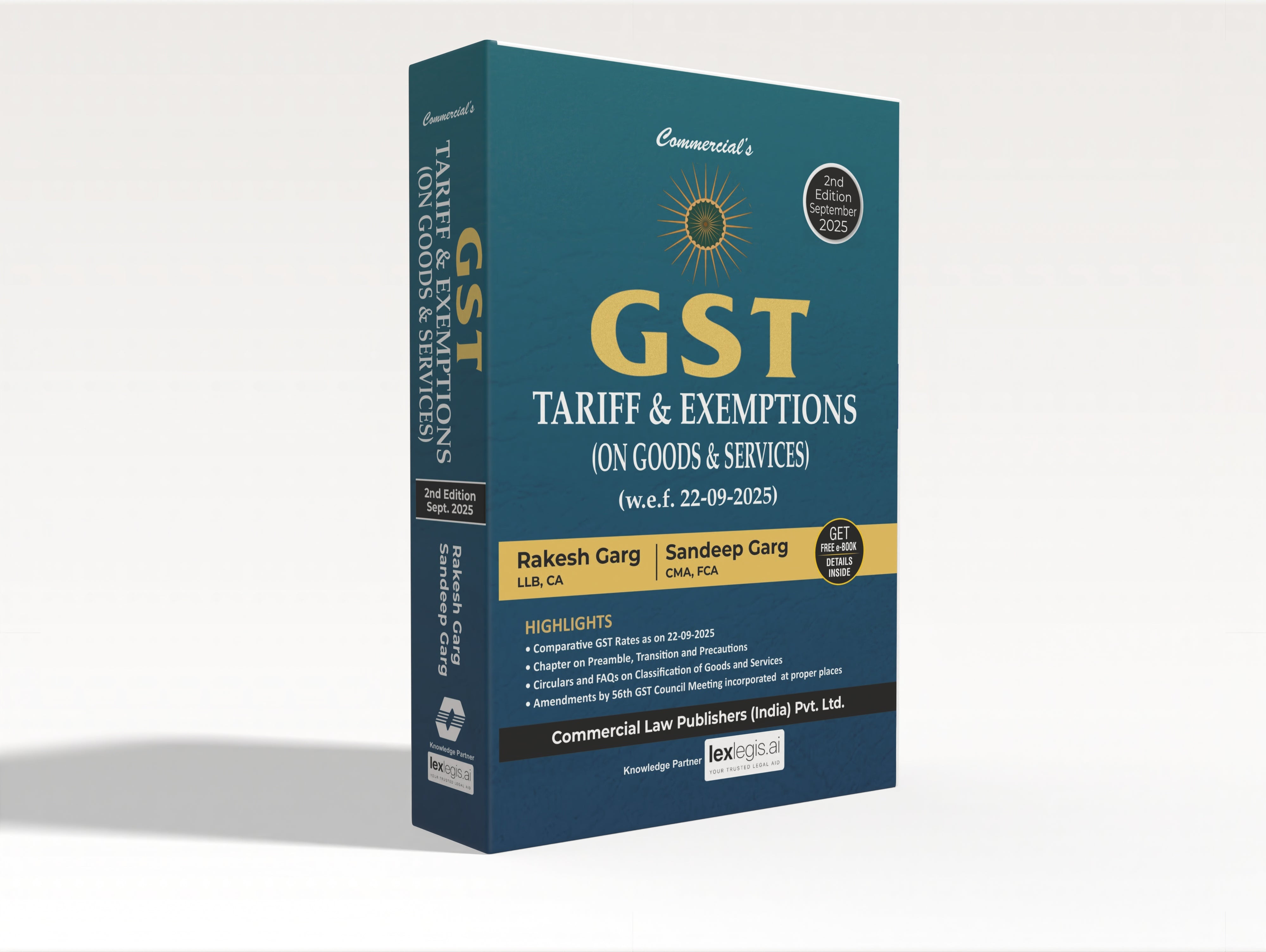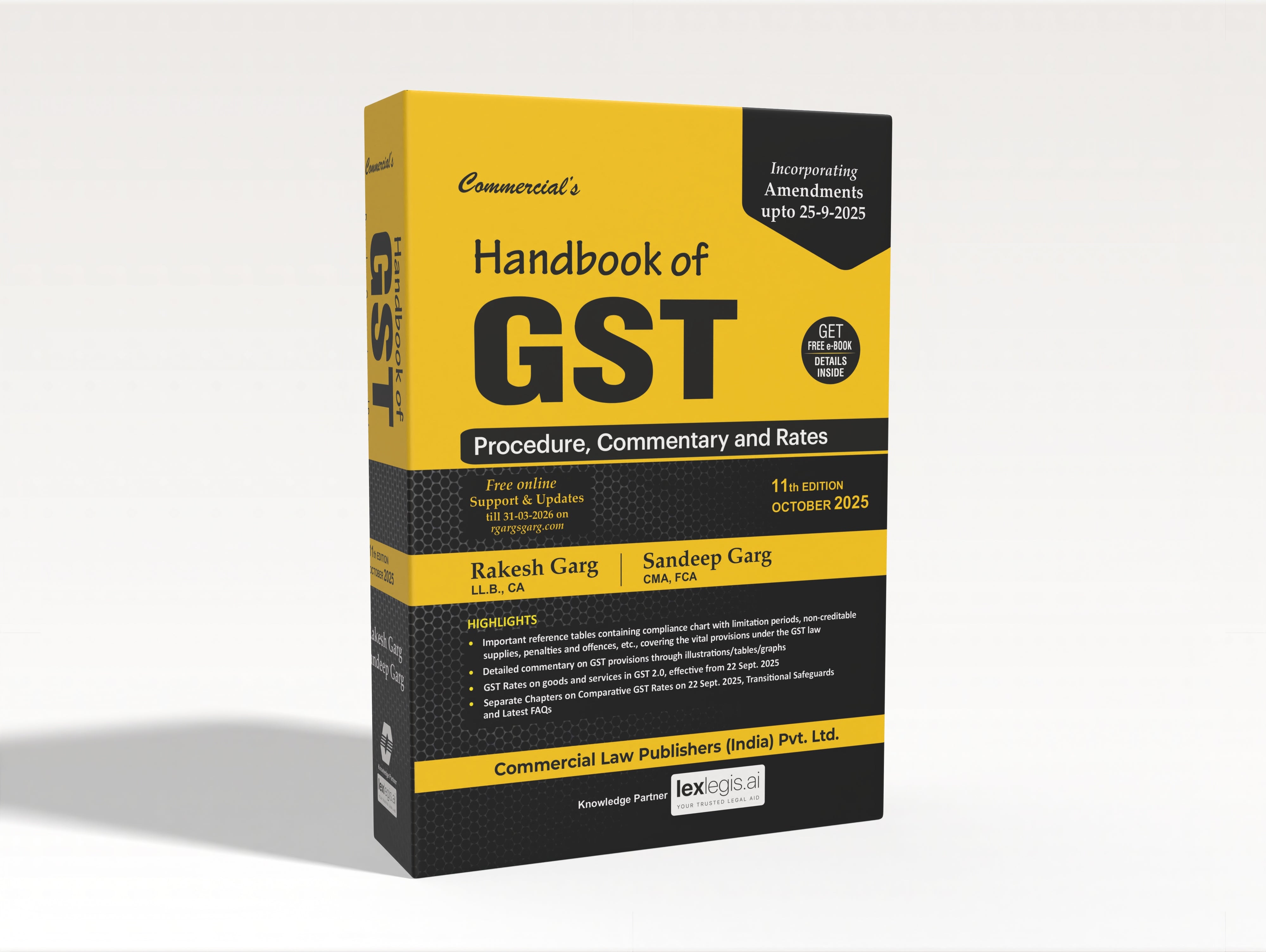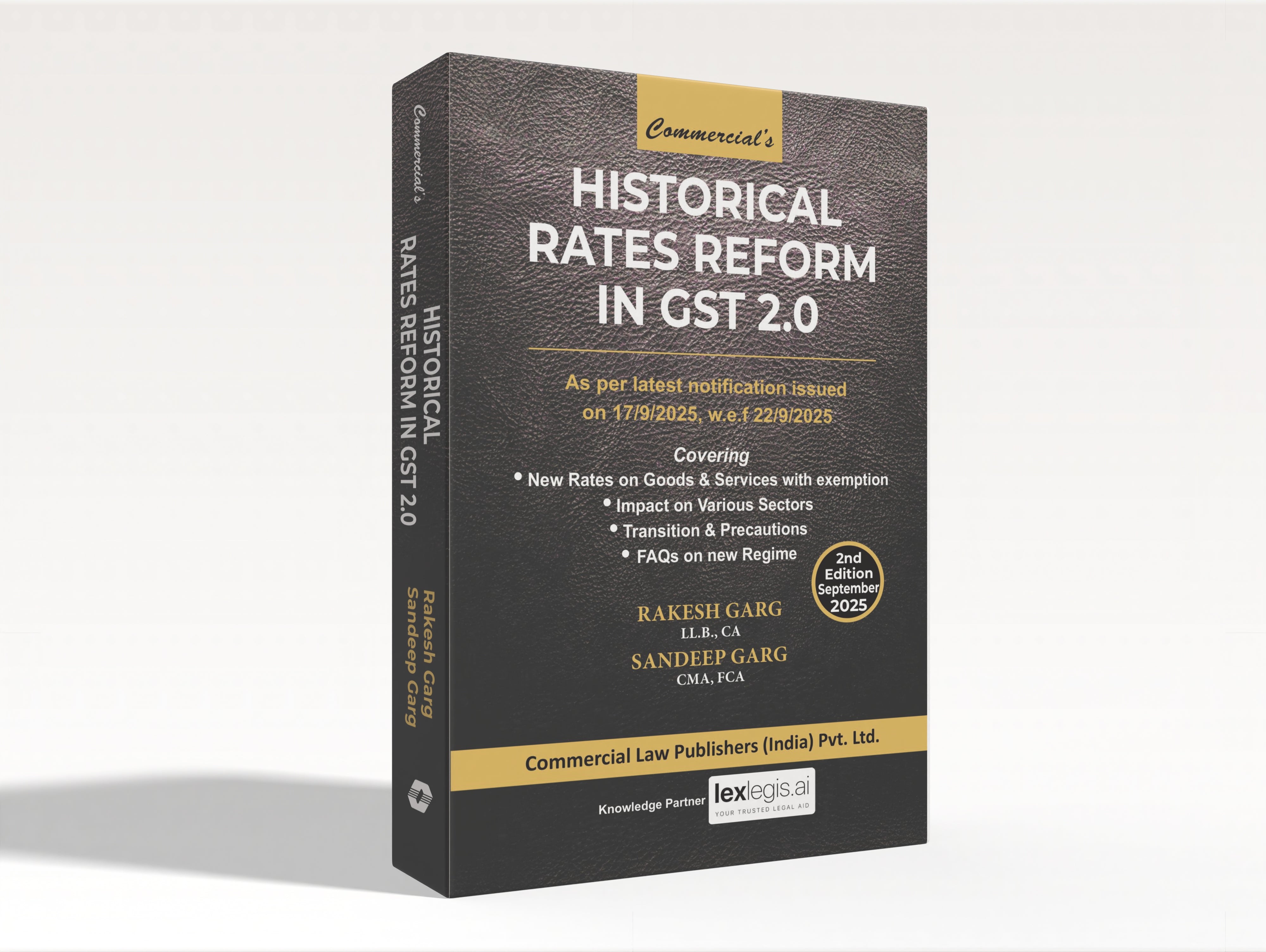


GST 2025 – Simplified, Smarter, Stronger

India’s tax landscape is undergoing one of the most ambitious reforms in recent years. The Goods and Services Tax (GST), often called the backbone of India’s indirect tax system, has been overhauled in 2025 to make it simpler, smarter, and far more transparent.
The latest changes are designed with one key goal: to cut down compliance headaches for businesses and bring real, visible relief to consumers. With revised return filing systems, rationalized rates, and stricter timelines, GST 2025 is not just a tax reform but a step toward a more digital-first and taxpayer-friendly India. These updates aim to provide businesses with a clear, streamlined framework to follow while giving citizens more purchasing power and stability.
At its core, GST 2025 is about making tax management faster, more predictable, and more transparent – a reform that promises to touch every household and every business in the country.
Consumer Benefits
One of the strongest highlights of GST 2025 is its direct benefit to consumers. Everyday essentials – food staples, clothing, medicines, and common household goods – have become more affordable due to reduced GST rates. This is not a minor tweak but a meaningful step that brings savings straight to the dinner table and shopping cart of the common man.
The government has even branded this reform as part of a “GST Savings Festival”, projecting that these benefits will ripple through the economy. By easing financial pressure on households, youth, entrepreneurs, farmers, and the middle class, these reforms aim to drive higher disposable income and stronger consumption demand – a cycle that ultimately boosts economic growth.
Key GST Changes
The structural reforms in GST 2025 are bold, clear, and impactful.
-
Simplified Slabs: GST now runs primarily on two main tax slabs – 5% for essential goods and 18% for most other products and services. The earlier 12% and 28% slabs, often a source of confusion, have been completely abolished. This not only makes taxation easier to understand but also reduces disputes and litigation.
-
Luxury and Sin Goods: A new 40% GST slab has been introduced exclusively for luxury and sin goods such as tobacco, alcohol, betting, luxury vehicles, and yachts. This ensures that while essentials become cheaper, items of conspicuous consumption continue to contribute more to the exchequer.
-
Reclassification of Items: Many goods that previously fell under the 12% and 28% slabs – electronics, white goods (like refrigerators and TVs), textiles, small cars, and essential FMCG products – have now migrated to the lower 18% category. This significantly reduces costs for consumers and boosts affordability across middle-class households.
-
Healthcare Relief: Several life-saving medicines and health insurance policies have either been moved to the 5% bracket or exempted from GST entirely. This reform is particularly impactful, offering substantial relief on health expenses at a time when healthcare affordability remains a national concern.
Why GST 2025 Matters
GST 2025 is not just about shifting tax percentages – it’s about reshaping the economic environment. By simplifying slabs, reducing rates on essentials, and increasing transparency through digital-first compliance, the government has paved the way for a system that is easier for businesses to operate in and friendlier for citizens to live with.
For consumers, it means more money in hand and lower costs on everyday essentials. For businesses, it means fewer complications and faster compliance. And for the nation, it signals a renewed focus on growth, inclusivity, and transparency in tax policy.
✨ In short, GST 2025 is not just a reform – it’s a reset. It simplifies life for the common man, strengthens trust between taxpayers and the government, and builds a stronger foundation for India’s economic future.